What to plant in spring UK
This time of year always feels full of new possibilities. The days get longer, daffodils start to appear, and suddenly, growing something yourself seems like a great idea.
If you’ve ever thought, “I’d love to grow my own, but I don’t know where to start,” you’re not alone. The good news is that spring is the perfect time to begin, and it can be simple.
If you’ve ever thought, “I’d love to grow my own, but I don’t know where to start,” you’re not alone. The good news is that spring is the perfect time to begin, and it can be simple.
This guide is for beginners and will help you decide what to plant in spring in the UK, whether you have a garden or just a sunny windowsill.
Start Small
Before you start planting, remember that it’s best to begin with just a few things.
You don’t need a perfect vegetable patch or lots of seeds. A few pots and some seed packets are enough. To start, gather a few small pots or containers, recycled yoghurt pots or plant pots work well, some multipurpose compost, and a hand trowel or spoon. A watering can or spray bottle helps with gentle watering. If you’re planting indoors, a sunny windowsill works as a mini greenhouse. You can find basic supplies at your local garden centre, most supermarkets, or from a range of online shops.
Some of the easiest (and most rewarding) things to grow are:
- Herbs (like basil, parsley, chives)
- Salad leaves
- Radishes
- Tomatoes (especially cherry varieties)
Most seeds do best with lots of natural light, so pick the sunniest spot you have. If your windowsill isn’t very bright, try moving your pots to follow the light during the day, or use a basic grow light for extra help. Many seeds will still grow even if the light isn’t perfect, so don’t worry if your space isn’t the brightest.
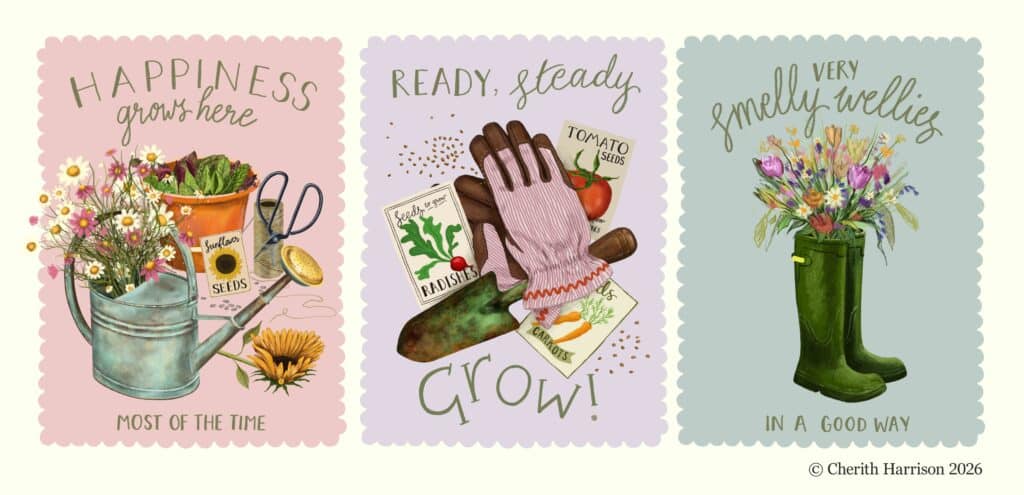
To help you get started, here’s a simple breakdown of what you can begin planting as spring unfolds:
No garden? No problem
 You don’t need a large outdoor space to grow something nice. A few ideas if you’re short on space:
– Herbs on a kitchen windowsill
– Salad leaves in a shallow tray
– Tomatoes in pots on a balcony or doorstep
It feels great to pick your own herbs or salad leaves, even from just one pot. Most herbs and salad leaves need around 6 hours of sunlight a day to grow well, so try to choose the brightest windowsill or spot you have. For watering, check the top inch of soil to see if it’s dry before adding water. This is usually every few days, but check often because small pots dry out quickly. Try to keep the soil slightly moist, not soggy, since most plants prefer that.
A little note on wildlife
Leave a bit of space for nature, too. Spring is a good time to support wildlife whilst growing your own plants. Planting some flowers for pollinators, putting out a shallow dish of water, or letting a corner grow wild can help bees, butterflies, and birds.
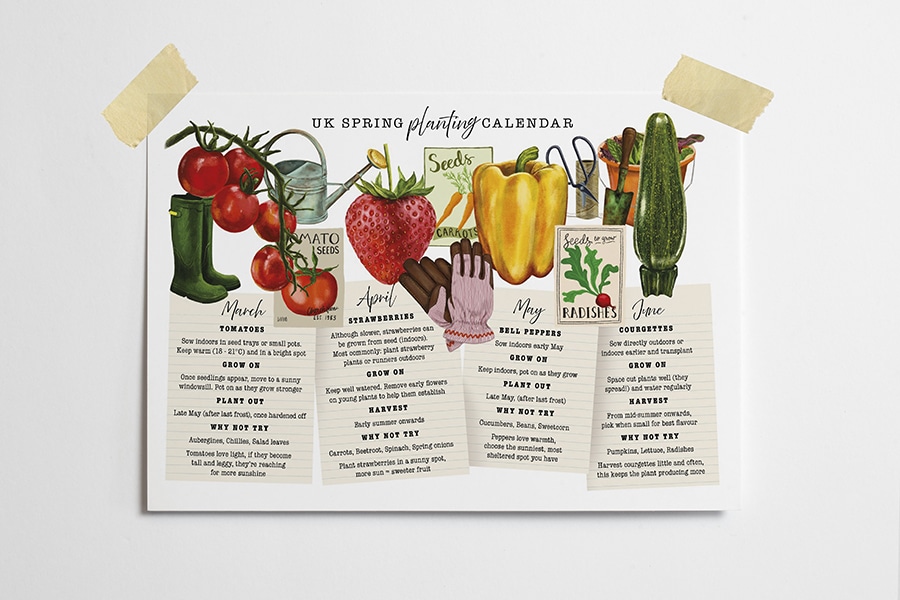
Free printable: Spring planting calendar
If you’d like some help, I’ve made a colourful planting calendar for March, April, May and June that you can print and keep close by. It’s perfect for tracking what to plant and when, and it’s completely free to download.
It has a simple month-by-month guide to what to plant, it’s easy to follow, and if anything, it’s just nice to look at!